These things may be causing your periods to be longer
Last updated on - Sep 3, 2019, 13:23 ISTShare fbsharetwsharepinshare
01/8Experiencing a longer period? These could be the reason


While a regular period lasts for 3-5 days, (the luckier one’s are the ones with the 3 day period) there those rare times when time of the period goes beyond the 3-5 days. Of course, it isn’t always the cause of worry. But it’s good thing to know what could be the reason for it. A number of factors can affect the length of your period, and while some indicate other health issues, many are no big deal. Here are seven possible causes of longer periods — and when you need to worry about them.
Photo Courtesy: Google Images
02/8Miscarriage

When you end up with a single long period then it could be due to a miscarriage. Miscarriages occur in around 20% of women who know that they're pregnant but they're a lot more common in women who don't know that they're pregnant.
03/8STIs (Sexually Transmitted Infections)

There could also be a chance that your prolonged period is due to an STI like gonorrhoea or chlamydia. Both of these infections can usually lead to bleeding between periods which might make you feel as if you're having a prolonged period.
04/8Ovarian cysts

More often than not women end up with ovarian cysts and aren't aware of it. These cysts can lead to painful and prolonged periods and can disrupt your natural flow. You can consult a doctor to figure out how to deal with the cysts.
05/8Change In Hormone Levels

The very reason women get periods can be pinned down on hormones in the body. These hormones send signals to different organs to different things. When your body senses that you’re not pregnant, due to the less estrogen and progestin levels, you get your periods. With a change in the hormone level, it can cause a longer period than you are used to.
Photo Courtesy: Google Images
06/8Thyroid Gland Changes

The gland at the front of the neck secretes the hormones that influence a lot of different bodily process. It is called the thyroid gland. Changes in this gland can be due to a lack of iodine in the diet. A third of women in their late 30s to 40 experience thyroid gland changes, which can cause heavier or longer periods. While this isn’t a thing to worry about, a doctor’s visit is recommended
Photo Courtesy: Google Images
07/8Polyps

Polyps are abnormal growths of tissue that can occur in any organ, including the uterus. When women have polyps in their uterus, they may experience staining before and after their period, which may make them seem longer. They may also experience spotting in between periods. While most polyps are benign, a few can be cancerous too. Hence, it’s better to get it checked.
Photo Courtesy: Google Images
08/8Changing Birth Control Method
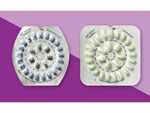
Certain birth control pills can impact frequency, duration, and low levels of menstrual periods. Changing your birth control can influence your bleed every month, which is a normal part of the adjustment. Wait for at least three cycles on your new birth control method for your period to adjust, but if you're uncomfortable or have any questions, touch base with your OB/GYN.
Photo Courtesy: Google Images


