All the common pasta mistakes you end up making
Last updated on - Mar 11, 2020, 13:39 ISTShare fbsharetwsharepinshare
01/5Pasta mistakes that most of us end up making

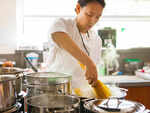
Majorly, every one of us loves eating pastas. There's a whole community of pasts lovers just like pizza lovers. And we absolutely enjoy trying out different types of pastas and flavours. Some of us also love experimenting with pastas at home and bragging about our skills at it. Although, there are times when the pasta doesn't exactly turn out the way they're supposed to. If you've referred to a YouTube video, you might not think that your pasta looks like the one in videos. Ever thought of why this happens? There are a few common mistakes that you end up making when you're cooking pastas and you should absolutely try to change that for good the next time you make some.
Photo credits: Google images
02/5Not adding enough salt to the pasta water
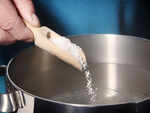
First and foremost, not adding salt to the water before you add pasta, is the biggest mistake that you might be making. Add enough salt to the water and bring it to boil and only then add your portion of pasta to cook. Use about a tablespoon of salt per quart of water. Also, avoid any oil in your pasta water. This won't help the pasta cook and will in turn prevent the pasta from absorbing flavour from the cooking water and later the sauces. This might end up giving you flavourless, oily pasta.
Photo credits: Google images
03/5Not stirring the pasta
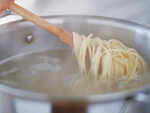
Ever drained the pot of pasta noodles and found out half of it is sticking to the bottom? This is because you probably didn't stir it enough while they were cooking. Once you add pasta to the boiling salted water, you need to stir them right away and make sure you keep stirring them time and again to avoid any sticking and uneven cooking. Also, choose a large pot that will give your pasta enough room to grow.
Photo credits: Google images
04/5Rinsing the pasta after cooking
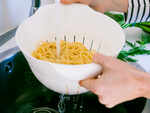
Do not rinse your pasts if you're going to serve it warm. If you rinse it, you are going to remove the starch from the cooking water which means the sauces won't have anything to stick to. You must only rinse the pasta if you're preparing a cold dish out of it which will help you in stopping the cooking process and cool it down faster.
Photo credits: Google images
05/5Letting the pasts sit for too long
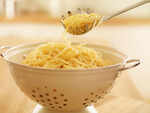
Once you drain the pasta water immediately after cooking it, make sure you don't let the pasta sit for too long. This will dry out the pasta completely as most of the liquid drains off. If your pasta gets too cold, it will start to stick together which makes it one glob of starch that will be hard to work with. One way to avoid this is by stirring a knob of butter through the pasts after you drain the water as it will help in keeping the pasta noodles separated.
Photo credits: Google images


