Last updated on - Mar 13, 2020, 17:09 ISTShare fbsharetwsharepinshare
01/5Do not fall for these wrong health advises


With the spread of the COVID-19, there’s one more thing that is being rapidly circulated. Yes, we are talking about a series of fake remedies promising prevention against the coronavirus. The widespread panic is causing people to believe in everything and anything that is surfacing on the internet. One must verify the source of the information before relying on them. While health advisors from all over the world are busy trying to decode the virus family for its cure, one must do their part to prevent it. This begins with practicing the correct dos and don’ts. The World Health Organisation has suggested people to keep santising their hands, avoid public places, to eat healthily and to seek doctor’s help if symptoms of sickness arise. Now that you know some basic things that you should be doing, down below are the don’t for you.
Photo credit: Google
02/5Face mask
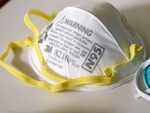
Wearing masks alone can't guarantee protection against the COVID-19 virus. It can spread through physical contact or even a simple sneeze. A face mask is only useful when an infected person puts it on to prevent passing germs to healthy ones.
Photo credit: Google
03/5Garlic

WhatsApp forwards and social media posts are filled about anti-bacteria properties of garlic that is been propagated as the only home remedy against Coronavirus. This is illogical and has no scientific explanation to support this idea. It is best to not rely on this.
Photo credit: Google
04/5Miracle mineral supplement

Promoted by a YouTuber, MMS or miracle mineral supplement is being believed as a permanent cure to this virus. However, this supplement is said to contain chlorine dioxide which can be fatal for health. Consuming this can cause serious health complications, including death.
Photo credit: Google
05/5Heat
It is being circulated that heat can kill any viruses, including coronavirus. It is important to keep in mind that the virus spread actively in Australia even during their summers. There’s no strong evidence on how COVID-19 can react to heat.
Photo credit: Google


